Oakville homeowners bring a distinct set of expectations to exterior renovation. Property values across the town are among the highest in the GTHA, architectural character is taken seriously in established neighbourhoods, mature tree coverage creates significant eavestrough maintenance demands, and the expectation of durable, premium-quality work is a baseline rather than an upgrade. This guide addresses what Oakville homeowners need to know about exterior renovation: the town's diverse housing stock, the climate and tree coverage conditions that shape maintenance and replacement decisions, material selection in the context of Oakville's property values, and the exterior services that matter most for each major residential neighbourhood.
Oakville is one of the most well-maintained residential communities in Ontario. Drive through Old Oakville, Bronte, or River Oaks and the evidence is immediate: properties are maintained with care, exterior finishes are updated before they deteriorate visibly, and the standard of workmanship expected from contractors reflects the value homeowners place on their properties.
That standard creates a specific context for exterior renovation decisions. In Oakville, the question is rarely whether to maintain the exterior to a high standard. It is which materials, which contractor, and which scope of work deliver the quality and longevity that the investment justifies. Getting those answers right requires understanding Oakville's specific housing stock, its climate conditions, and the exterior performance requirements those conditions create.
At Mario Aluminum, we have been completing exterior renovation projects across Oakville for over 20 years. This guide covers what we have learned about what Oakville homes specifically need, presented in terms that help homeowners make well-informed decisions rather than simply accept a contractor's recommendation at face value.
Oakville's Housing Stock: A Community of Distinct Neighbourhoods
Oakville's residential landscape is more architecturally diverse than many communities of comparable size. The range of construction eras and styles creates meaningfully different exterior renovation contexts depending on where in the town a property is located.
Old Oakville and Heritage Properties
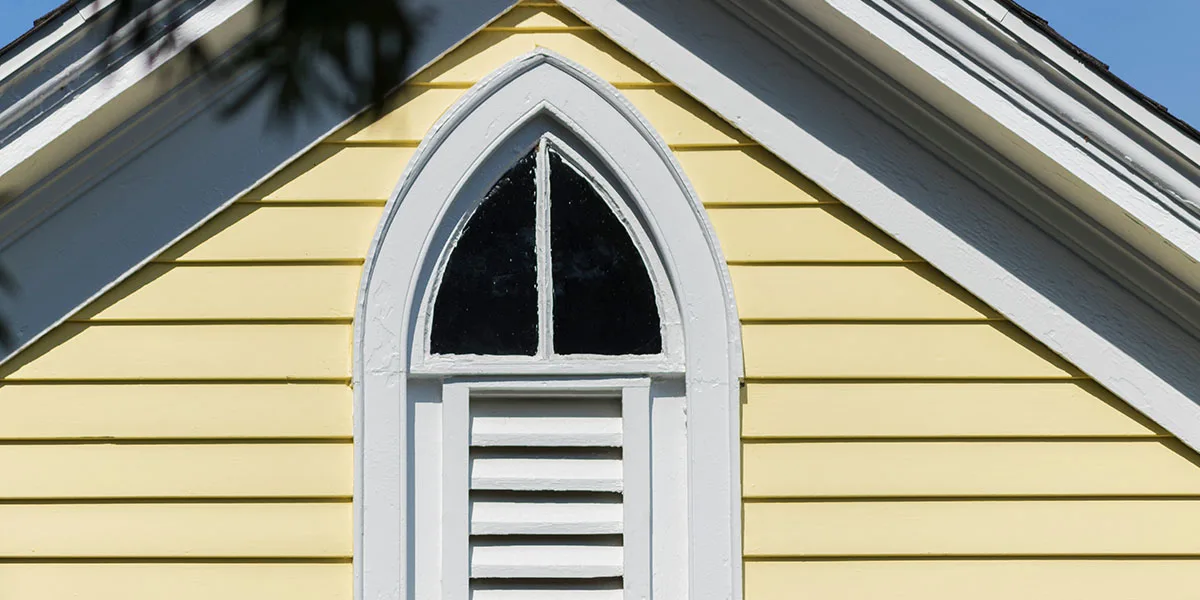
The original Oakville townsite along Lakeshore Road East and the streets north of it contains some of the oldest residential properties in the GTHA, including heritage-designated homes and early 20th century properties that predate modern exterior cladding systems entirely. These homes require careful attention to heritage-sensitive renovation approaches. Original wood siding, wood soffit and fascia systems, and trim details that reflect the architectural period of the property are common. Replacement decisions here involve not just material performance but visual compatibility with the character of the property and, in some cases, municipal heritage guidelines.
Bronte and West Oakville
The Bronte area and the older residential streets in west Oakville include a significant post-war and 1960s housing inventory. Many of these properties have been renovated in whole or in part over the decades, creating a mix of original and replacement exterior systems at varying ages. Properties in this cohort often have mature tree canopies from 50 to 60-year-old plantings that create substantial eavestrough debris loads and, in some cases, root proximity to foundation drainage that interacts with eavestrough discharge management.
River Oaks, Falgarwood, and Central Oakville
The established suburban communities built through the 1970s, 1980s, and into the early 1990s form a large portion of Oakville's mid-town residential inventory. River Oaks, Falgarwood, Glen Abbey, and the surrounding communities contain many homes where original exterior systems, including vinyl siding, aluminum soffit and fascia, and sectional eavestrough installations, are now 30 to 50 years old. This is the cohort where full exterior system replacement is most commonly needed and where the material selection decision carries the most long-term significance.
Palermo, Joshua Creek, and North Oakville
The newer developments in north Oakville, built primarily from the late 1990s onward, contain homes with more recent exterior installations. Many of these properties have 15 to 25-year-old systems that still have service life remaining. The renovation needs here tend to be more targeted, focused on specific repairs, leaf guard installation, window capping, or preliminary assessment to understand where systems stand before the next replacement cycle approaches.
Understanding which construction era and neighbourhood context your Oakville home falls into is the starting point for any exterior renovation assessment. The right approach for a heritage property in Old Oakville is fundamentally different from what a 1988 River Oaks home needs.
Oakville's Mature Tree Canopy: The Factor That Shapes Eavestrough Decisions
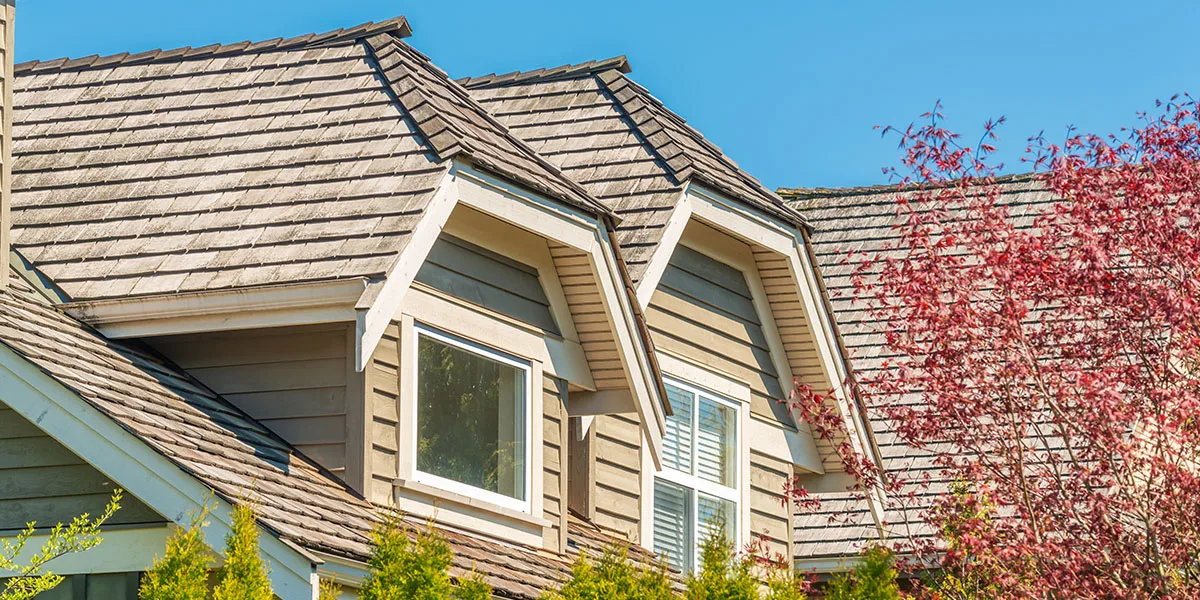
More than almost any other factor, Oakville's mature tree coverage defines the eavestrough maintenance challenge across the town. The extensive deciduous canopy that makes Oakville's established neighbourhoods so visually distinctive creates one of the most demanding debris environments for eavestrough systems in the GTHA.
The Multi-Season Debris Problem
Oakville's mature maple, oak, beech, and elm trees do not shed in a single predictable autumn window. Maples release seed pods (samaras) in late spring, smaller seed material through early summer, and full leaf coverage in fall. Oak trees hold their leaves longer than most other deciduous species, often not completing their drop until late November, well past the window when most homeowners assume fall cleaning is complete. Properties with mature oaks frequently experience their heaviest eavestrough debris accumulation in the final weeks before the first hard freeze.
The practical consequence for Oakville homeowners is that properties with significant mature deciduous coverage often require three or four eavestrough cleanings per year to maintain clear drainage through all debris seasons. The cost of that maintenance schedule, repeated over five to ten years, frequently exceeds the cost of leaf guard installation at the next eavestrough replacement.
Why Leaf Guards Are Particularly Valuable in Oakville
The combination of debris volume, multi-season shedding, and the elevated maintenance expectation that Oakville homeowners bring to property management makes leaf guard installation one of the most consistently recommended additions to any eavestrough project in this community. Quality micro-mesh or aluminium leaf guard systems do not eliminate eavestrough maintenance entirely, but they dramatically reduce the frequency of cleaning required and the risk of blockage-driven overflow during heavy rainfall events.
For Oakville homeowners managing multi-storey properties where eavestrough access requires professional service rather than DIY ladder work, the reduction in service calls that leaf guards deliver is particularly meaningful from a cost and convenience standpoint.
Siding in Oakville: Material Selection at the Level the Market Expects
In Oakville's property market, siding selection carries more weight than it does in most Ontario communities. Exterior appearance affects perceived property value in a market where buyers are accustomed to well-maintained, premium-finish exteriors. Material choices that are adequate in less competitive markets can look noticeably out of place in Oakville neighbourhoods where the surrounding properties maintain a consistent standard.
Fiber Cement: The Premium Choice for Oakville's Established Neighbourhoods
Fiber cement siding is the material recommendation we make most frequently for Oakville properties in the established mid-town and heritage-adjacent neighbourhoods. Its ability to replicate the appearance of wood siding, including cedar lap and board and batten profiles, in a material that does not rot, does not require constant repainting, and handles Ontario's freeze-thaw cycling better than wood or standard vinyl makes it the most appropriate specification for Oakville's architectural context.
For Old Oakville and Bronte heritage properties where the visual character of the exterior matters to the property's identity, fiber cement's wood-grain profiles allow a historically appropriate appearance to be maintained without the ongoing maintenance burden of actual wood. For River Oaks and Glen Abbey homes where resale presentation is a significant consideration, fiber cement's premium appearance and durability reputation supports asking price in a way that standard vinyl does not.
Fiber cement typically runs $10 to $18 per square foot installed in Oakville. On a typical detached property, a full exterior replacement will run from approximately $15,000 to well over $25,000 depending on home size and architectural complexity. For Oakville's property values, this investment typically represents a strong return.
Premium Vinyl: The Right Specification for Oakville's Newer Communities
For Oakville's north end developments and properties where fiber cement's premium cost is not warranted by the ownership horizon or the neighbourhood context, premium-grade vinyl siding remains a strong option. The key specification distinction for Oakville is product grade. Standard builder-grade or entry-level vinyl products look noticeably different from premium vinyl in terms of panel rigidity, colour depth, and profile definition, and the difference is visible in the context of Oakville's well-maintained streetscapes. Premium insulated vinyl, which adds dimensional stability and thermal performance alongside improved appearance, is the appropriate specification for Oakville properties where vinyl is the selected material.
Eavestroughs in Oakville: Capacity, Quality, and Debris Management
Oakville's combination of significant tree coverage and regular high-volume spring and fall rainfall creates demanding conditions for eavestrough systems. The expectation of quality from Oakville homeowners also means that eavestrough systems that are merely adequate elsewhere are more frequently identified and replaced here before they reach the point of obvious failure.
Profile Sizing for Oakville Properties
One consideration that is more relevant in Oakville than in many other communities is eavestrough profile sizing. Oakville's extensive tree coverage means that eavestrough systems carry not just roof drainage volume but also debris load that adds mass and reduces effective flow capacity. Homes in heavily treed sections of Old Oakville, Bronte, and Falgarwood that have standard 4-inch eavestrough profiles may benefit from upsizing to 5-inch systems at replacement time. The larger profile handles both increased water volume during high-intensity rainfall and provides greater capacity before debris accumulation reaches a critical blockage level.
Profile sizing should be assessed against the actual roof drainage area of each run rather than applied as a blanket upgrade. Your contractor should evaluate the roof area, pitch, and expected debris load for each run during the on-site assessment.
Seamless Aluminum as the Standard
For Oakville homeowners replacing eavestrough systems, seamless aluminum fabricated on-site is the appropriate specification. The absence of mid-run joints eliminates the primary failure mode of sectional systems, and the heavier gauge aluminum used in seamless fabrication handles Oakville's ice and debris load more reliably than lighter sectional products. Seamless systems run $8 to $15 per linear foot installed, with a typical full replacement on an Oakville detached home in the $3,500 to $6,000 range depending on home size and roofline complexity.
Soffit and Fascia in Oakville: Roofline Integrity and Curb Appeal
Oakville homeowners are typically more attentive to roofline condition than average, and soffit and fascia deterioration is less likely to be deferred here than in communities where exterior appearance is a lower priority. That attentiveness serves the home well, because soffit and fascia problems that are caught early are significantly less expensive to address than those that have progressed to underlying framing damage.
The Wood-to-Aluminum Transition in Oakville's Older Housing Stock
Many of Oakville's heritage and post-war properties still carry original or early-replacement wood soffit and fascia systems. In Oakville's relatively humid environment, wood soffit and fascia requires regular painting and inspection to maintain its performance, and properties where that maintenance has been deferred often show accelerated deterioration relative to what the material age alone would suggest.
For Oakville homeowners managing older wood soffit and fascia systems, upgrading to aluminum at replacement time delivers permanent relief from the repainting cycle and provides a cleaner, more consistent roofline appearance. The aesthetic benefit is particularly visible in Old Oakville and Bronte, where the quality of the roofline finish contributes meaningfully to the overall presentation of the property.
Pest Exclusion in Oakville's Treed Neighbourhoods
Oakville's mature tree canopy, which is a defining characteristic of the town's established neighbourhoods, also creates elevated pest pressure on exterior systems. Squirrels and birds are active across the town's residential areas throughout the spring and summer, and deteriorating soffit panels are among the most common attic access points. Properties in heavily treed sections of Old Oakville, Bronte, and River Oaks where soffit is showing visible gaps or damage should treat pest exclusion as a time-sensitive maintenance priority, particularly as spring nesting season approaches.
Window and Door Capping in Oakville: Protecting Property Value at the Detail Level
In Oakville's property market, exterior detail quality matters. The condition of window and door trim, like the condition of the roofline and the quality of the siding, contributes to the overall impression of a well-maintained property. Peeling, cracking, or stained window trim is visible from the street and affects the curb appeal that Oakville buyers and appraisers notice.
Aluminum capping eliminates the maintenance cycle of painted wood trim permanently. For Oakville homeowners who are already maintaining their exterior to a high standard, capping removes one of the most labour-intensive and recurrence-prone elements of that maintenance from the annual schedule. The custom color matching available with aluminum capping ensures a cohesive, finished exterior appearance that integrates with whatever siding and roofline treatment is in place.
Capping is also a practical consideration when soffit and fascia or siding work is being done. Coordinating capping with a broader exterior renovation project ensures consistent color and finish across all trim elements and avoids the visual inconsistency of updated siding alongside unaddressed aging window trim.
Choosing an Exterior Renovation Contractor in Oakville
Oakville's property market means that the consequences of a poor exterior renovation outcome are more visible and more financially significant than in lower-value markets. The standard of contractor due diligence that applies anywhere applies here with additional force.
What to Look for
Verifiable local experience in Oakville's specific neighbourhood conditions is the most important qualifier. A contractor who has worked regularly on Old Oakville heritage properties understands the material sensitivity and visual requirements those projects demand in a way that general exterior experience does not guarantee. Ask for references from Oakville projects specifically, and ask those references whether the work has held up through multiple Ontario winters.
Licensing and insurance are baseline requirements. For fiber cement installation specifically, familiarity with the product's specific installation requirements, including end-cut sealing, flashing integration, and the fastening details that differ from vinyl, is worth verifying before accepting a recommendation.
What a Quality Quote Includes
Any exterior renovation quote for an Oakville property should clearly address: the specific material and product line proposed, the scope of preparation work including removal and disposal, the flashing and moisture barrier approach, warranty coverage for both material and workmanship, and a project timeline. A quote that addresses these elements gives you the basis for a meaningful comparison. One that does not may be pricing a narrower scope than the completed project requires.
In Oakville's property market, the exterior renovation contractor you choose is as important as the material you select. Quality installation on premium material is what delivers the result the investment is meant to achieve.
Frequently Asked Questions
Yes, and phasing is a reasonable approach when the full scope of needed work exceeds the budget for a single project. The most important consideration when phasing is sequencing: address the components with the most active deterioration or functional failure risk first, and plan the sequence so that later phases do not require re-doing work from earlier ones. The most common sensible sequence is eavestroughs and fascia together first, followed by siding, then soffit, then capping. This sequence addresses the moisture management foundation before the cosmetic and cladding layers above it. Your contractor can help you develop a phased plan with a realistic budget and timeline for each stage.
Properties in Oakville’s most heavily treed neighbourhoods, including sections of Old Oakville, Bronte, and Falgarwood, often require three or even four eavestrough cleanings per year to maintain clear drainage through all debris seasons. The multi-stage shedding pattern of mature maples and the late-season leaf drop of oak trees means there is no single cleaning window that sets the system up for the full year. Leaf guard installation alongside a new eavestrough system dramatically reduces this frequency for most properties, typically bringing the schedule down to one or two inspections per year. The right frequency for your specific property depends on your tree coverage, and your contractor can help you assess that during the on-site visit.
Some properties in Old Oakville are subject to heritage designation under the Ontario Heritage Act or are located within heritage conservation districts that influence exterior renovation approvals. The Town of Oakville’s planning and heritage department administers these designations, and homeowners with older properties in the core heritage areas should verify whether any designation applies before committing to a siding or exterior renovation project. A reputable contractor familiar with Oakville will raise this question during the assessment process. Where heritage considerations apply, fiber cement’s ability to replicate traditional wood profiles typically makes it the most compatible material choice.
Exterior renovation costs in Oakville follow the same material and labour ranges as the broader GTHA market but tend to land at the higher end of those ranges due to Oakville’s architectural complexity and the premium material specifications that are more commonly appropriate here. Full siding replacement with fiber cement on a typical detached Oakville property typically runs $15,000 to $30,000 or more depending on home size. Premium vinyl runs $8,000 to $18,000 for a typical replacement. Eavestrough replacement with seamless aluminum runs $3,500 to $6,000 for a typical detached home. Soffit and fascia replacement in aluminum adds $8 to $20 per linear foot depending on scope. A free on-site assessment is the only reliable way to get an accurate number for your specific property.
Fiber cement is the strongest material recommendation for Oakville’s established heritage and mid-town neighbourhoods, where architectural character matters and resale context supports the premium. For north Oakville’s newer developments, where builder-grade construction is more common and the price point of the surrounding properties is different, premium vinyl remains a strong choice and the fiber cement premium may not be warranted by the ownership context. The right answer depends on the specific neighbourhood, the property’s architectural character, and how long the homeowner plans to stay. A free on-site assessment gives you a recommendation grounded in your specific situation rather than a blanket material preference.
Ready to Start Your Oakville Exterior Renovation?
Exterior renovation on an Oakville property is an investment in one of the most significant assets most homeowners own. Getting it right, from material selection to contractor quality to installation standard, is worth the diligence that Oakville homeowners typically bring to major property decisions.
Mario Aluminum has been completing exterior renovation projects across Oakville for over 20 years, in Old Oakville, Bronte, River Oaks, Glen Abbey, Falgarwood, Joshua Creek, and the newer communities throughout the town's north end. We understand what Oakville properties require and we hold our work to the standard those properties deserve. Every assessment begins with a free on-site visit, a clear and itemized quote, and an honest recommendation about what your home actually needs.
Free exterior renovation assessments for Oakville homeowners across all neighbourhoods. The right recommendation starts with seeing your property. Call us to arrange yours.
Contents

- Oakville's Housing Stock: A Community of Distinct Neighbourhoods
- Oakville's Mature Tree Canopy: The Factor That Shapes Eavestrough Decisions
- Siding in Oakville: Material Selection at the Level the Market Expects
- Eavestroughs in Oakville: Capacity, Quality, and Debris Management
- Soffit and Fascia in Oakville: Roofline Integrity and Curb Appeal
- Window and Door Capping in Oakville: Protecting Property Value at the Detail Level
- Choosing an Exterior Renovation Contractor in Oakville
- Frequently Asked Questions
- Ready to Start Your Oakville Exterior Renovation?