Every Ontario winter puts homes through the wringer. Weeks of sub-zero temperatures, repeated freeze-thaw cycles, ice buildup along rooflines, wind-driven snow, and heavy precipitation — all of it lands on the same siding, eavestroughs, and trim that have to hold up again next winter.
The tricky part is that winter damage doesn't always make itself obvious. Interior damage — a wet basement wall, a draft near a window, higher-than-usual heating bills — is often the first thing homeowners notice. But by the time those signs appear, the exterior issue causing them has usually been building for months.
Spring is the right time to look. Once temperatures stabilize above zero and the last of the ice has cleared, your home's exterior tells a clear story about how the past season treated it. Here are five of the most common signs that your home needs attention before next winter arrives.
Sign #1: Your Siding Is Warping, Cracking, or Pulling Away
Siding takes the full force of Ontario winters — wind-driven snow, freezing rain, and ice that expands in any gap or crack it can find. By spring, that stress often shows up in ways that are visible from the street if you know what to look for.
Walk the full perimeter of your home and look for panels that are bowing outward or cupping at the edges. Check corners and seams where panels meet — these are the points where freeze-thaw movement most commonly causes separation. Look for cracks running along the face of individual panels, and pay attention to any areas where the colour seems uneven or faded, which can indicate moisture has worked its way behind the siding.
One test worth doing: press gently on a few panels at different points around your home. Siding that feels soft or spongy underfoot typically means there is moisture damage to the underlying sheathing — and that's a problem that goes beyond the siding itself.
What it means: Minor cracking or a single damaged panel is usually a straightforward repair. Widespread warping, multiple soft spots, or siding that is visibly separating from the wall assembly points to a more significant problem that warrants a professional assessment before more moisture gets in.
Sign #2: Your Eavestroughs Are Sagging, Leaking, or Pulling Away
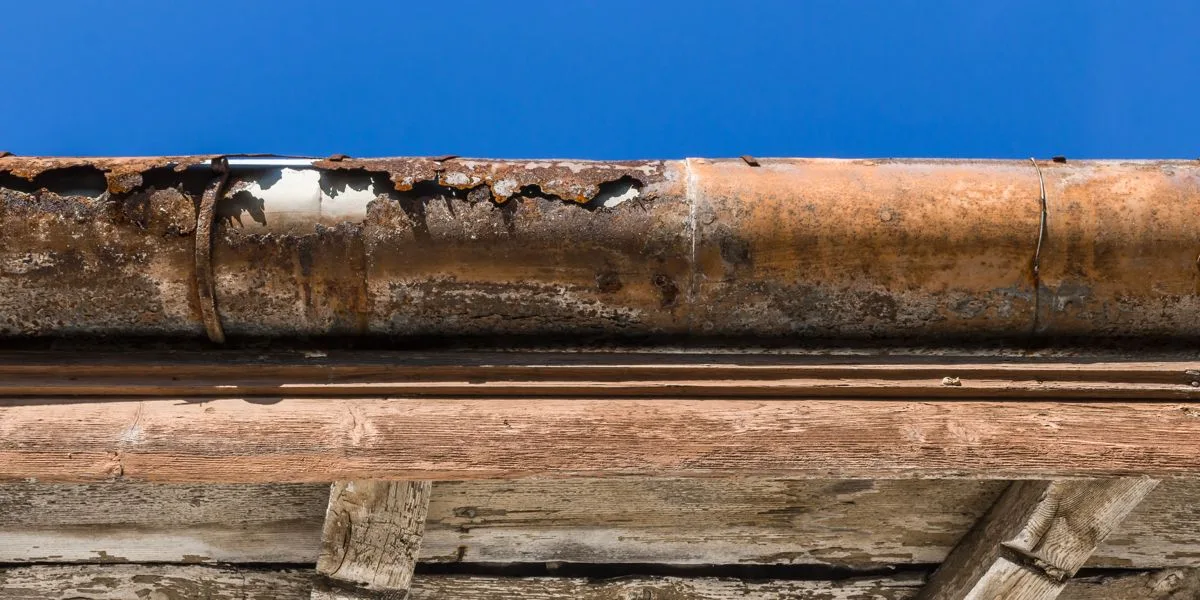
Eavestroughs are under constant stress in winter. Ice and snow accumulation adds significant weight to gutter systems that are only designed to carry water. When that weight builds at joints and fastening points, it causes sections to sag, pull away from the fascia board, or separate at the seams entirely. By the time the ice melts, the damage is done — and many homeowners don't realize there's a problem until the first heavy spring rain sends water streaming down the side of their house instead of through the downspout.
From the ground — using binoculars if needed — look for sections of eavestrough that hang lower than the surrounding run. Check whether the gutter appears to be pulling away from the fascia board above it, leaving a gap where water can work behind the roofline. Look for visible joint separations, and scan the siding and foundation below for water staining that indicates overflow happened during the winter or through snowmelt.
If you can safely access your eavestroughs with a ladder, check the interior for debris left over from fall that could block drainage during spring rain events. Blocked gutters filled with standing water during freeze-thaw cycles are one of the most common causes of eavestrough damage over winter.
What it means: A single sagging section or a minor joint separation is often repairable. Widespread sagging, multiple fastening failures, or eavestroughs that are consistently overflowing despite being clear of debris are signs that the system may have reached the end of its service life. Seamless aluminum replacement eliminates the joint-failure points that cause most of these problems.
Sign #3: Your Soffit or Fascia Shows Signs of Moisture or Pest Damage
Soffit and fascia sit right at the intersection of your roof and your exterior walls — the exact spot where ice dams form and where meltwater tends to run when drainage is compromised. It's also the part of the home that most homeowners look at least closely, which means winter damage here often goes unnoticed until it has progressed significantly.
Stand back from your home and look along the roofline. Fascia boards that show peeling or bubbling paint are typically holding moisture — and once paint starts to fail on wood fascia, rot follows quickly. Look for any sections that appear to be bowing, discoloured, or visibly separated from the eavestrough above.
For soffit, look along the underside of your roof overhang for sagging sections, visible holes or gaps, and any signs of staining. Gaps in soffit are entry points that birds, squirrels, and insects will take advantage of — especially in spring when they're looking for nesting sites. Blocked vents on vented soffit panels are also worth checking, as snow and ice can compact debris against them over winter, reducing the attic airflow your home needs.
If your attic felt unusually humid this past winter, or if you noticed frost forming on the underside of your roof deck during cold snaps, inadequate soffit ventilation is a likely contributing factor — and spring is the right time to address it.
What it means: Peeling paint on fascia boards should be addressed quickly — once rot takes hold in wood fascia, it spreads to surrounding framing. Many homeowners in Hamilton choose to upgrade from painted wood soffit and fascia to aluminum or vinyl when repairs are needed, eliminating the paint-and-rot cycle permanently.
Sign #4: The Trim Around Your Windows and Doors Is Failing
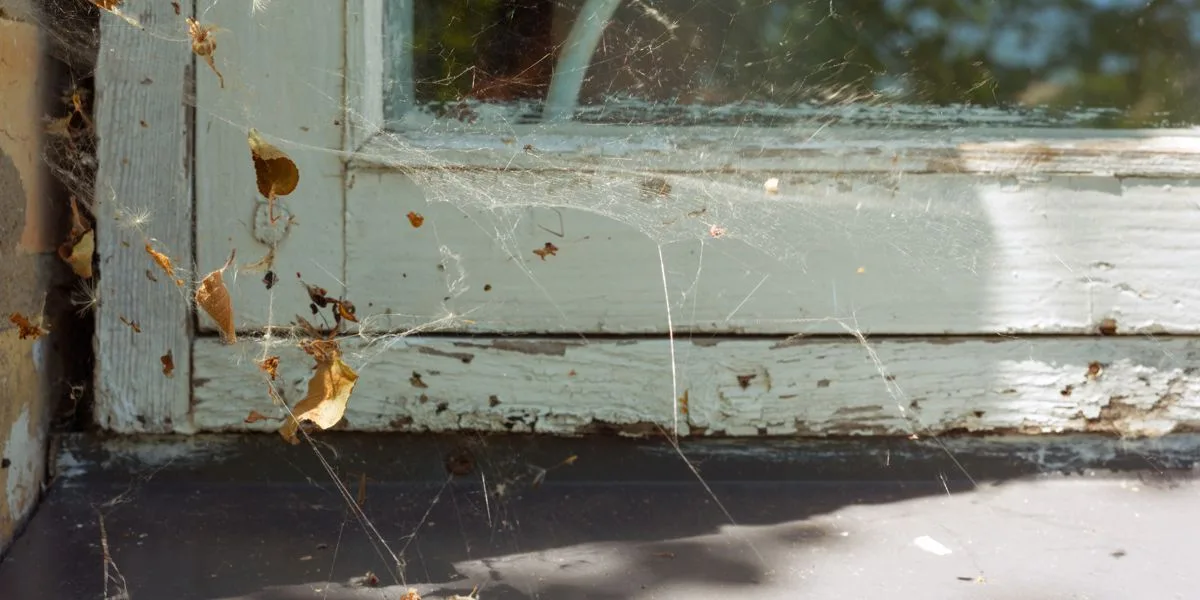
Window and door trim is among the most moisture-exposed wood on your home's exterior. Every winter, water gets into even the smallest gap around a frame, freezes, and expands — widening that gap a little more each cycle. After a particularly harsh winter, trim that was borderline the previous fall often crosses the line into genuine deterioration.
Check the trim around every window and exterior door on your home. Look for paint that is cracking or lifting away from the wood surface — this is a sign that moisture has gotten underneath. Press gently at the corners and along the base of each frame where water tends to collect. Wood that feels soft or compresses under light pressure has begun to rot, and rot in window trim can spread into the surrounding rough opening framing if it isn't addressed.
Also check the caulk lines at every point where your trim meets the surrounding siding or wall. Caulk that has cracked, pulled away from the surface, or developed gaps over winter is no longer doing its job. Interior signs to watch for include drafts near windows and doors on cold days, and any moisture or condensation collecting on interior window sills — both can point to failed exterior sealing.
What it means: Recaulking failed seams is a reasonable short-term fix for minor gaps. But if you find yourself addressing the same windows every two or three years, aluminum or vinyl capping is worth considering — it covers exposed wood permanently, seals against moisture, and removes trim from your annual maintenance list entirely.
Sign #5: You're Seeing Water Staining, Efflorescence, or Basement Moisture
Sometimes the clearest sign that your home's exterior took a beating over winter isn't visible on the exterior at all — it shows up inside. Basement walls that are damp or showing white mineral deposits (efflorescence) after snowmelt, interior walls near windows that feel cool or show faint staining, or ceiling spots that appeared during a heavy thaw are all signals that water found a way in somewhere it shouldn't have.
These interior symptoms are worth tracing back to their exterior source before warmer weather masks them. Water staining on foundation walls almost always points to either a grading problem — where the ground slopes toward the home rather than away from it — or an eavestrough drainage issue where downspouts are discharging too close to the foundation. Both are exterior problems with straightforward solutions.
Water staining on interior ceilings near exterior walls can point to ice dam damage — a situation where heat escaping through a poorly ventilated attic melts snow on the roof, which then refreezes at the cold eaves and backs up under shingles. Ice damming often causes damage to soffit, fascia, and eavestroughs as well as interior water intrusion, and the underlying ventilation issue won't resolve itself without attention to the soffit system.
On the exterior, look for staining on siding below eavestrough runs, discolouration on the foundation wall at ground level, and any areas where soil appears to have settled away from the house — creating a low point where snowmelt can pool against the foundation.
What it means: Interior water signs after winter are never something to wait on. The source is almost always an exterior drainage, sealing, or ventilation issue — and identifying it in spring gives you the warm-weather window to fix it properly before next winter adds to the damage.
What to Do If You Spotted Any of These Signs
Finding one or more of these issues in your spring walk-around doesn't mean you're looking at a major renovation. Many winter exterior problems are caught early enough to be repaired at reasonable cost — the key is not waiting until the problem compounds through another season of spring rain and summer heat before addressing it.
Some items are straightforward DIY fixes: replacing failed caulk, clearing eavestrough debris, touching up paint on isolated areas of trim. Others — widespread siding damage, sagging eavestroughs, rotted fascia, or any issue where you suspect moisture has reached the wall assembly — are worth having a professional look at before you decide on an approach.
Mario Aluminum provides free on-site exterior assessments for homeowners across Hamilton, Stoney Creek, Burlington, Oakville, Ancaster, and Waterdown. If your spring inspection raised questions you're not sure how to answer, we'll take an honest look at what your home needs and give you a clear, no-obligation quote for any work that makes sense.
Scheduling exterior work early in spring means shorter lead times and the best availability before the summer season fills up. If your inspection turned up issues, now is the right time to book.
Call us at (289) 993-5566 or request a free quote online to get started.
Contents